
Bispecific Antibody Patient Information
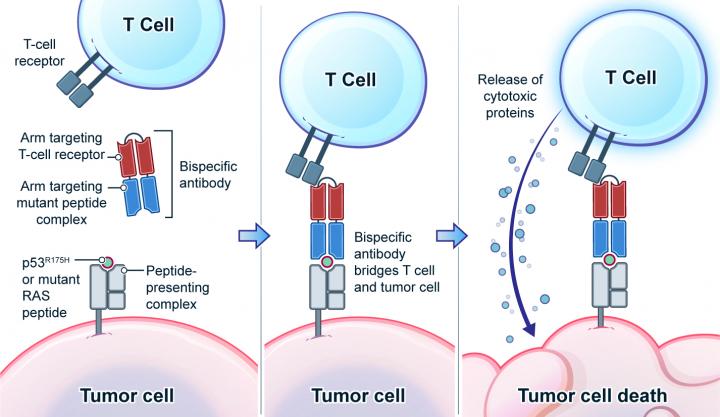
What is Bispecific Antibody?
Bispecific antibody therapies that are used in cancer therapy are special proteins engineered to simultaneously bind to both cancer cells and T-cells, a type of immune cell responsible for attacking harmful invaders. By forming this connection, they act as a bridge helping the immune system recognize and destroy cancer cells more effectively.
Treatment Considerations
When using Bispecific Antibodies, there are important factors to optimize treatment outcomes and minimize risks. These factors include patient eligibility for treatment, potential side effects, and the need for increased monitoring during therapy.
Patient Eligibility
Bispecific antibody therapies are typically prescribed for certain types of cancers. A medical oncologist will be able to determine if you are eligible for treatment with bispecific antibody therapy based on your specific type of cancer and your previous treatments.
Safety Considerations
Bispecific therapies can cause potentially serious or life-threatening side effects including but not limited to Cytokine Release Syndrome & Immune Effector Cell-Associated Neurotoxicity Syndrome. These side effects typically occur at the initiation of treatment and require immediate medical attention. Patients on bispecific therapy are closely monitored, particularly during treatment initiation/ step-up dosing for this reason.
Monitoring and Supportive Care
Regular monitoring is essential during antibody treatment. To ensure patient safety close monitoring during step up dosing, including potential hospitalization for side effects may be required
A Note from Highlands Oncology
When seeking information on potential bispecific treatments, please consult your medical oncologist to determine eligibility, safety considerations, and monitoring requirements of treatment.