Diagnostic Imaging
Valuable Visual Insight
diagnostic imaging at highlands oncology
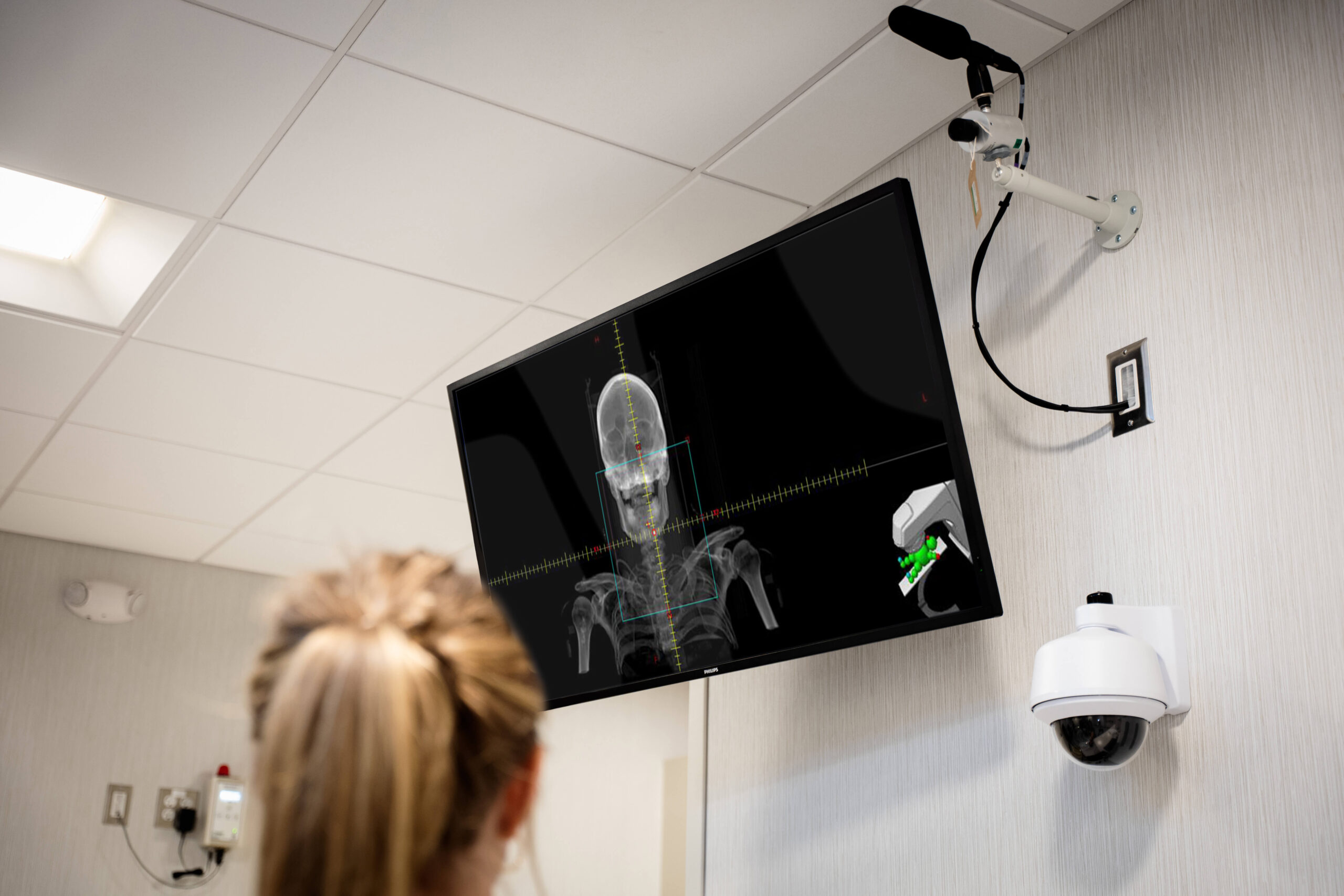
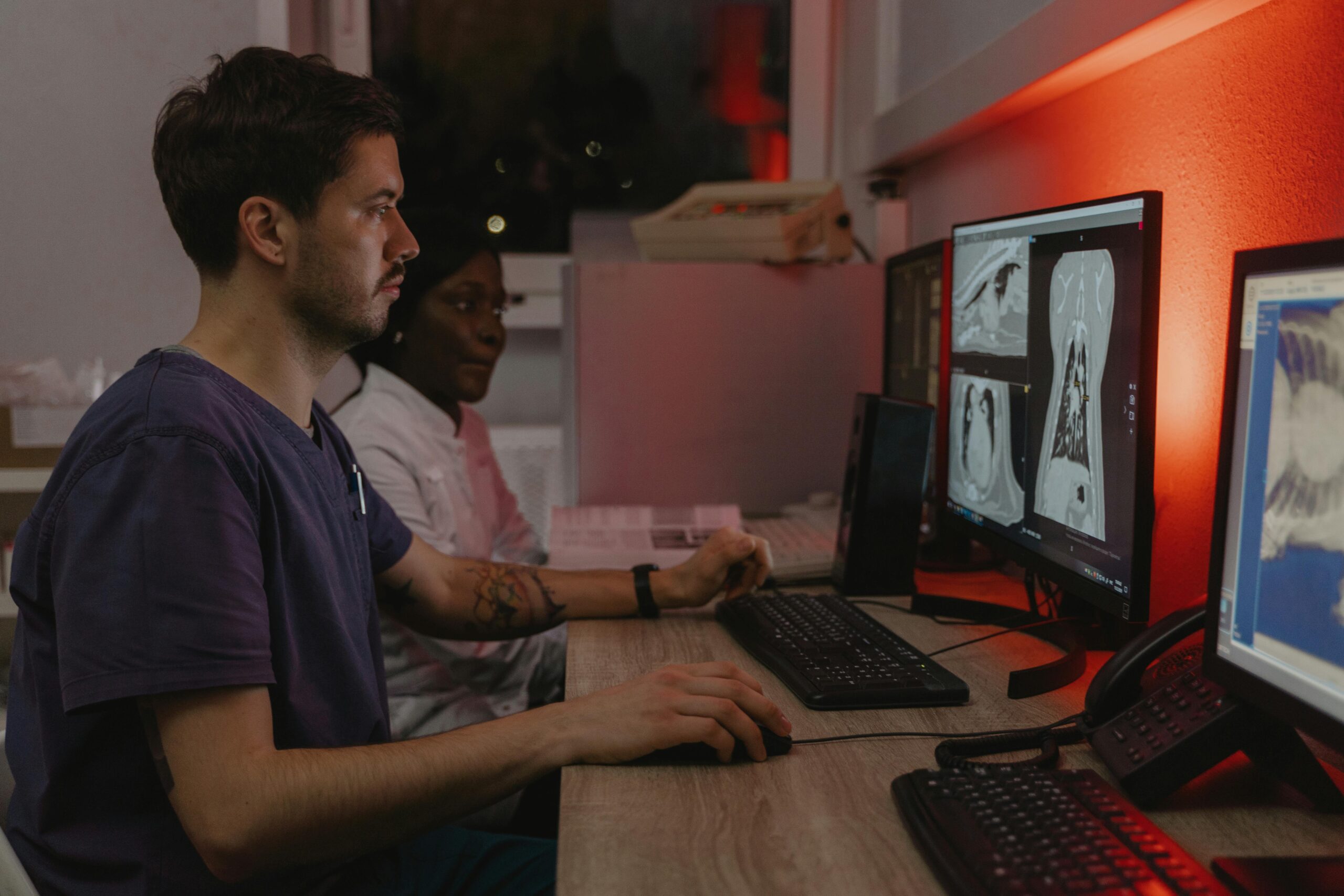
Imaging is the process of producing valuable pictures of body structures and organs. It is used to detect tumors and other abnormalities, to determine the extent of disease, and to evaluate the effectiveness of treatment.
Our CT, MRI, and PET scanners are accredited through the American College of Radiology. Highlands also offers Ultrasound, X-Ray, and CT lung screening services.
Imaging Forms & Resources
Types of Diagnostic Imaging Available at Highlands
Highlands Oncology offers one of the most comprehensive diagnostic imaging programs in the region. Our centers are equipped with the full range of imaging modalities—including PET, CT, MRI, Ultrasound, and X-Ray—available on-site at four of our six cancer centers. This allows us to capture the clearest and most precise images to support accurate diagnosis and ongoing treatment planning.
Because our imaging services are integrated into our cancer centers, we are able to schedule patients much more efficiently than hospitals and other imaging providers. Most patients are able to get imaging appointments sooner, often within days—not weeks.
We accept imaging referrals for anyone with a valid physician order and an approved insurance authorization. You do not need to be a Highlands patient to have your scan performed here.
You can expect exceptional imaging quality, less waiting, and the reassurance that comes with a team dedicated to your care.
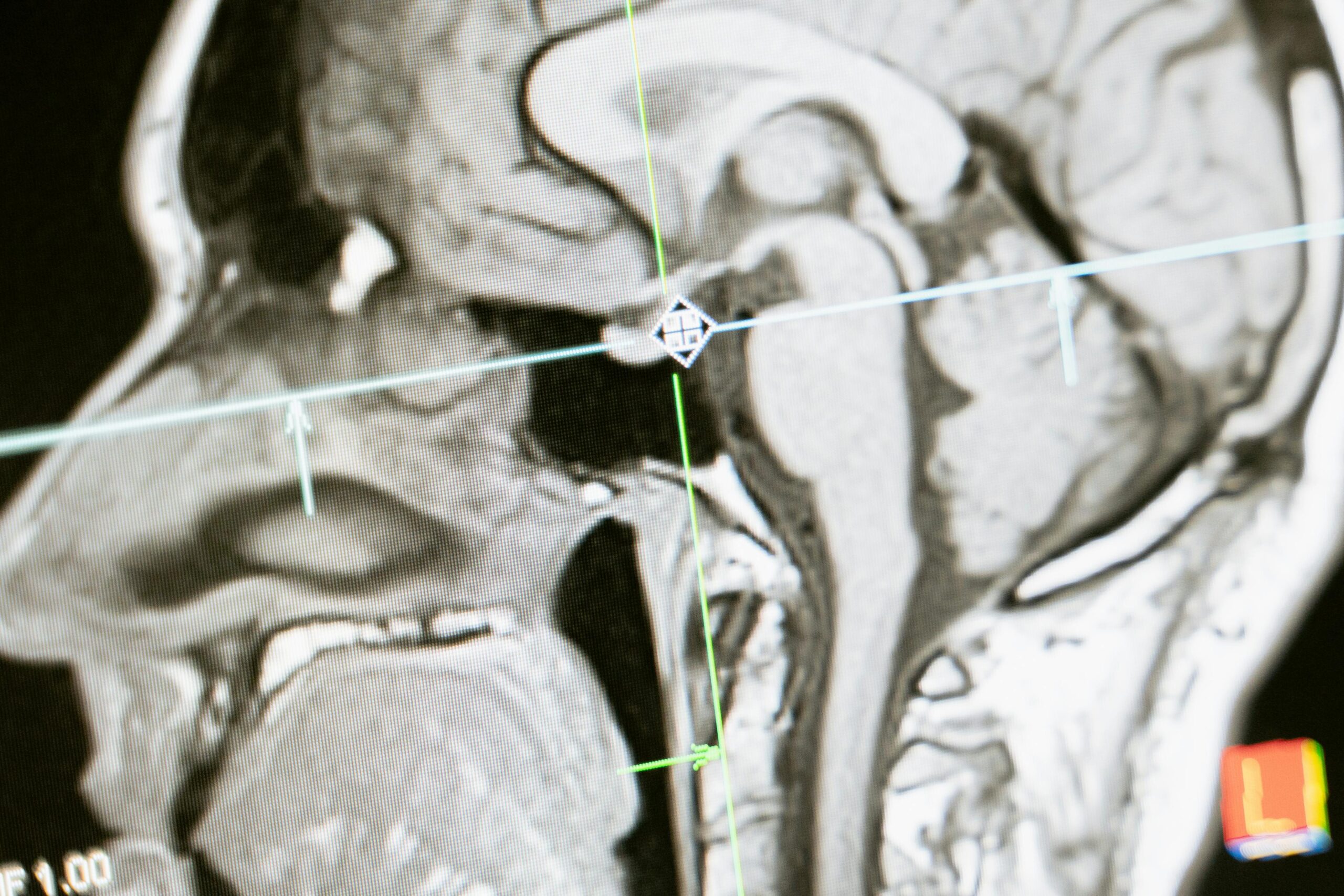
MRI
Magnetic Resonance Imaging
An MRI is a non-invasive scan that uses magnets and radio waves to create detailed images of the body. It helps doctors diagnose and monitor various conditions without using radiation.

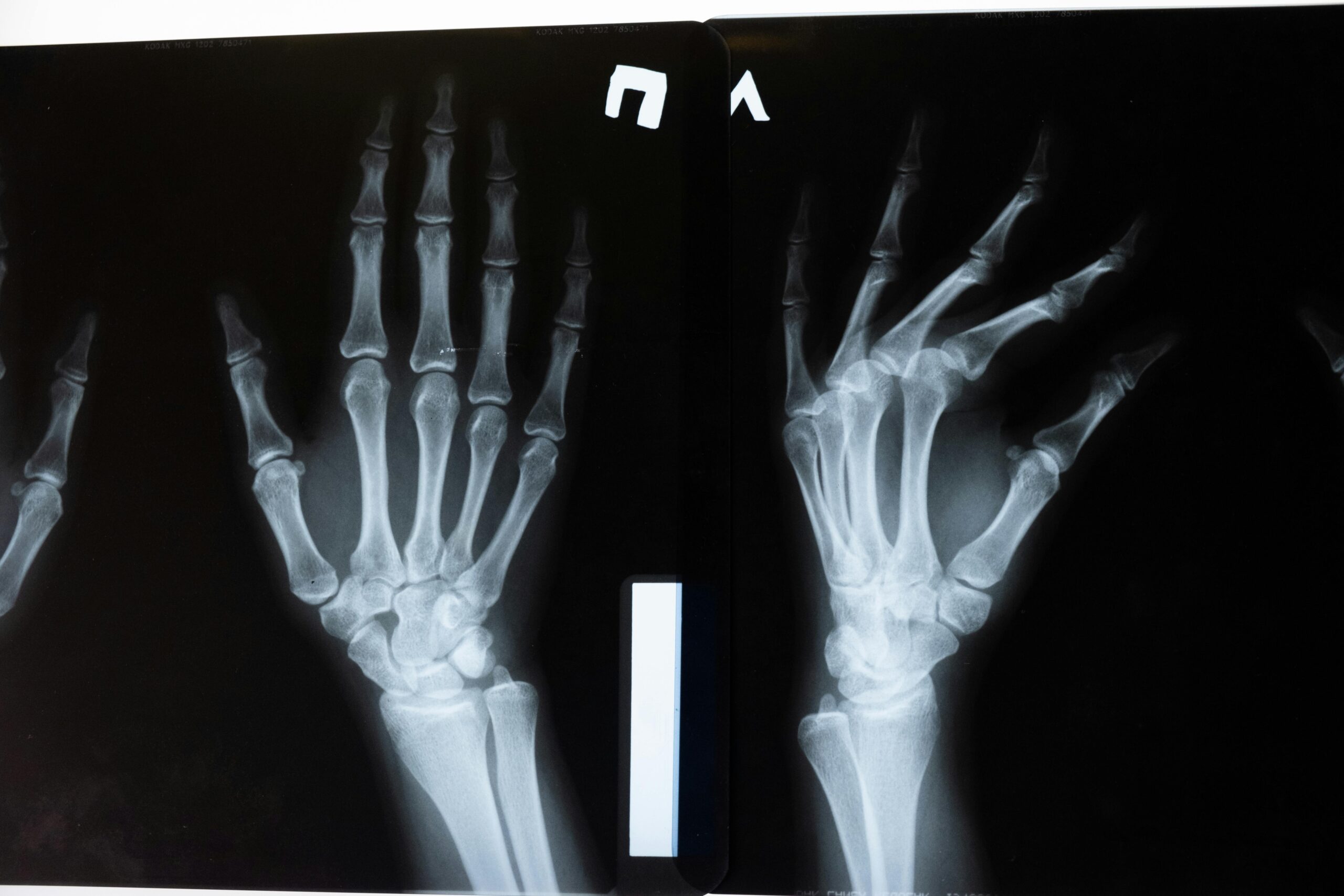
X-RAY
Electromagnetic Medical Imaging
An X-ray is a quick, painless imaging test that uses low doses of radiation to capture pictures of the inside of the body. It’s commonly used to view bones, detect injuries, and help diagnose a variety of conditions.
CT
Computed Tomography Scan
A CT scan uses X-ray technology and computer processing to create detailed cross-sectional images of the body. It helps doctors diagnose injuries, detect diseases, and guide treatment plans with greater precision.
PET
Positron Emission Tomography
A PET scan is an imaging test that shows how tissues and organs are functioning using a small amount of radioactive material. It’s often used to detect cancer, evaluate brain activity, and monitor how well treatments are working.
Ultrasound
Imaging with Sound Waves
An ultrasound is a safe, non-invasive imaging test that uses sound waves to create real-time images of the inside of the body. It’s commonly used to monitor pregnancies, examine organs, and guide certain medical procedures.

Statistics
Over 58,000
Imaging procedures annually