
Lung Cancer Screening
Free Screening Program
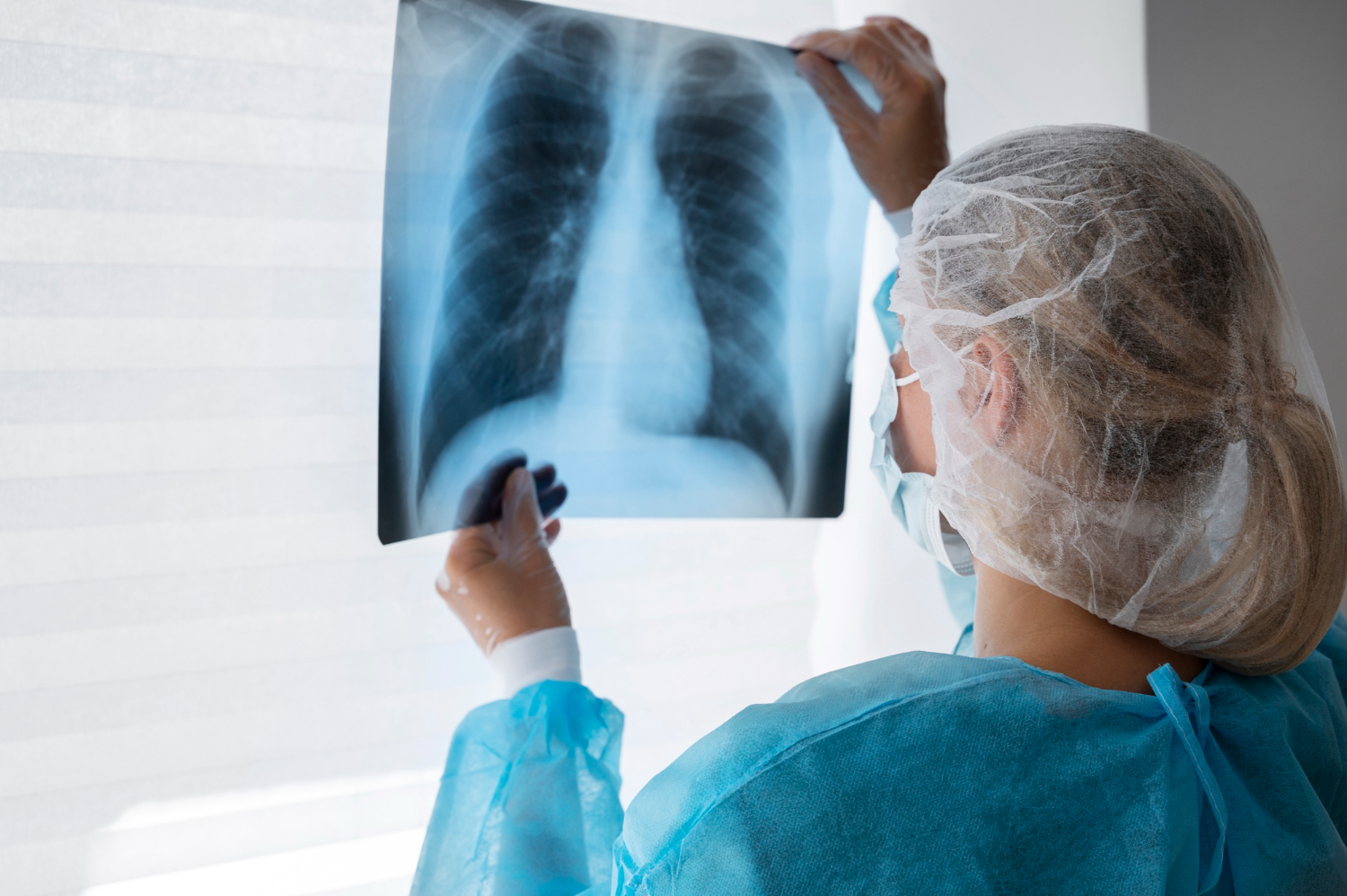
FINDING CANCERS AT THE EARLIEST STAGE WILL IMPROVE CURE RATES
Breast, colon, and prostate all have established screening programs. Yet, lung cancer has floundered in the midst of this enthusiasm for early diagnosis
NWA LUNG CANCER SCREENING PROGRAM
Our program is an approved Screening Center of Excellence, which ensures the program utilizes national standards and provides the highest quality of care.
THE CENTER FOR CHEST CARE
The Center for Chest Care was established in November 1999 when three local physicians decided that the diagnosis and treatment of cancers in the lungs and chest needed to be improved upon. As a result, they formed the first community based, multidisciplinary chest cancer clinic in the United States – The Center for Chest care.
LUNG CANCER SCREENING
History
After reviewing five years of retrospective lung cancer data, The Center for Chest Care at Highlands Oncology discovered that 80% of patients in Northwest Arkansas were being diagnosed at Stage III or IV, leading to unfortunately dismal outcomes.
We determined that to truly impact this disease in our community, we needed to diagnose patients at Stage I, when they show no signs or symptoms of the disease. This shift was expected to produce a significant, positive change in outcomes.
In 2013, the independent groups involved in The Center for Chest Care established a Community-Wide Lung Cancer Screening Program (NWA LCSP) to address this pressing need and achieve our goal.
Initially, enrollment numbers were not as high as we’d hoped based on our local population. We found that even a nominal cost was a deterrent to participation. To eliminate this barrier, we changed our approach and began offering a free Lung Cancer Screening Program, after which enrollment significantly increased.
By offering lung cancer screening at no cost, we have removed a significant barrier for many patients. To date, nearly 12,000 individuals have been screened through our program. As a result, 214 patients were diagnosed with Stage IA lung cancer, and an additional 200 patients were diagnosed at stages ranging from IB to IV. Overall, the program detects an average of one cancer for every 30 screenings performed—underscoring the critical role early and accessible screening plays in saving lives.
For more information about our Lung Cancer Screening Program, please call (479) 695-0081.

OUR MISSION
-
To raise community awareness of lung cancer screening.
-
To save lives through early detection, with a goal of screening all high-risk individuals with low-dose CT scans.
-
To maintain a program of excellence by staying informed and up-to-date on the latest information and improvements in technology, and incorporating these into the program.
-
To be committed to promoting tobacco-free living.
-
To change the stigma associated with lung cancer.
Why Screening Matters
Lung Cancer is the leading cause of cancer-related deaths in the United States. With over 200,000 new diagnoses per year and over 160,000 deaths per year, lung cancer is responsible for more deaths each year than breast, colon, and prostate cancer combined. Primarily because it is discovered at an advanced stage. There is an enormous benefit to detecting lung cancer at an early stage. A screening CT gives the best chance for early detection.
Lung Cancer screening is important, since early-stage lung cancer often has no symptoms. A recent clinical trial has found that lung cancer screening with low-radiation dose CT scans significantly lowers the risk of dying from lung cancer by 20% because it is discovered earlier.
Screening for lung cancer is not a one-time test, but a process that involves a periodic evaluation of your lungs over time to look for newly emerging cancer. The capability of CT scans to detect tiny lung nodules and to compare the nodules for changes in size over time is a critical part of the screening process.
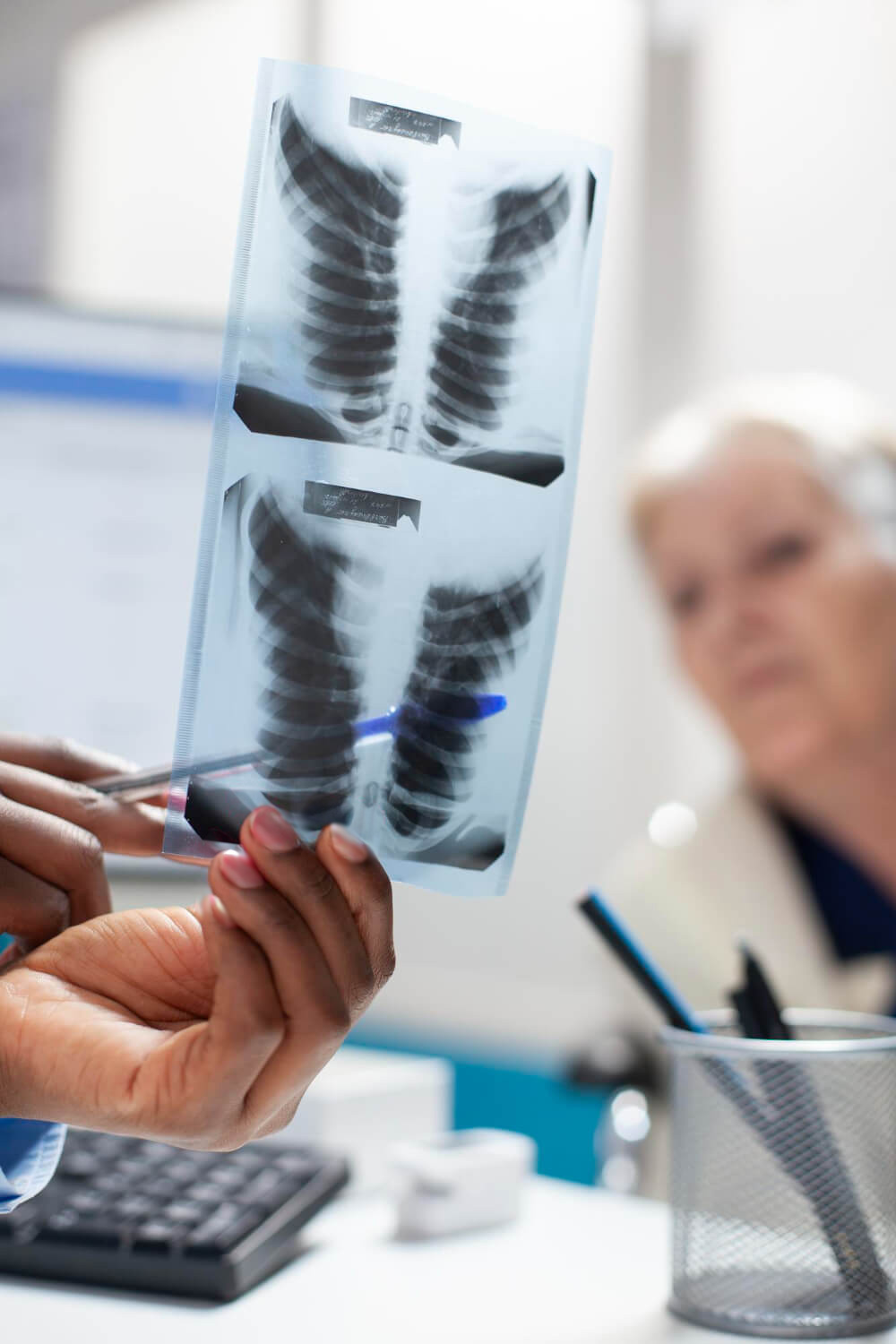
CRITERIA FOR PARTICIPATION IN THE LUNG CANCER SCREENING PROGRAM
-
If you are 50 years or older with a long history of smoking.
-
If you have a history of cancer.
-
If you have been exposed to occupational or environmental cancer –causing substances.
- If you have a family history of lung cancer.
NWA LUNG CANCER SCREENING PROGRAM Results as of August 2025
Participants Screened
11,400
Stage 1A
214
Other Cancers
(1B-IV+All others)
200
Through the Lung Cancer Screening Program, 1 cancer is being detected in every 30 screenings performed.
Cancer Screening
We encourage you to explore our other cancer screening programs for different cancer types. Early detection is your best defense, so check the eligibility requirements for all of our proactive screening initiatives.