
Multi-Specialty Clinics
Highlands Oncology is a multidisciplinary practice, with multiple specialists. The treatment of cancer and blood disorders is complex and requires multidisciplinary involvement.

No one should have to leave NWA to receive outstanding cancer care. That idea was a foundational statement when Highlands Oncology began in 1996 with 3 physicians and a desire to change the face of oncology care in our community. Dr. Malcolm Hayward, Dr. Dan Bradford, and Dr. Thad Beck knew that patients do better at home, in the community where they live and work, and where their support system is already in place.
In furthering that ideal, Highlands has grown with the region from a single location 29 years ago into 6 locations in Northwest and Northcentral Arkansas today. Highlands has been able to assemble the right people, the latest technology, innovative therapies, and the infrastructure necessary for the ever-evolving world of cancer care.
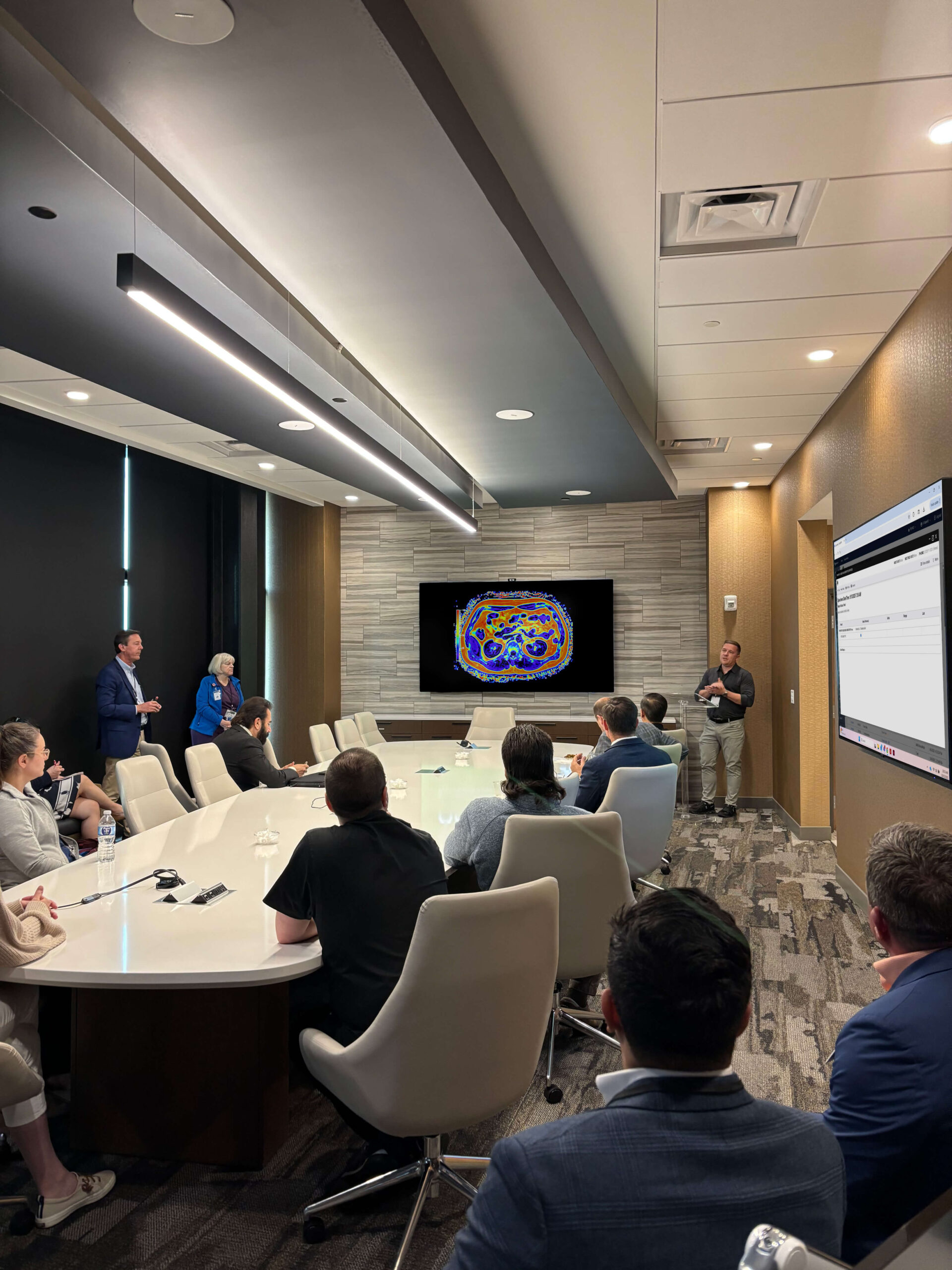
What is a Multi-Specialty Approach to Healthcare?
A multi-specialty approach to healthcare is a comprehensive approach to a patient’s care that involves more than one specialty physician. In a multidisciplinary setting, physicians of different specialties come together to diagnose and treat patients. Having multiple specialty physicians in one place at one time allows them to collaborate real-time and develop comprehensive, personalized patient plans.
What is the Benefit of a Multi-Specialty Approach?
Patients seen in the multi-specialty setting benefit from the expertise of all specialists even if they are not see by all of them. This is due to multi-specialty conferences where physicians discuss each patient’s case and collaborate on the best plan for each patient. This expedites accurate diagnosis and treatment plans.
Why is this Important?
Multi-Specialty practices are important in the oncology setting because of the complexity and urgency of a patient’s case. Highlands Oncology is committed to providing the best care in the timeliest manner to ensure our patients receive the proper treatment for their individual diagnosis.
NWA Multi-Specialty Clinics
The Center For Chest Care
Breast Conference/Program
CARE Clinic (Cancer Assessment and Risk Education)
Head & Neck Conference & Clinic
Gastrointestinal Conference
Genitourinary Conference
Pancreatic Conference
Neuro-Conference
Traditional Patient Care
- Patient referred to multiple doctors
- Extended wait time between referrals
- Patient must travel to multiple locations
- Each specialty ordering a set of tests
- Emotional distress for patient while diagnosis is unknown
Multi-Specialty Approach to Cancer Care
The Chest Clinic was the very first multi specialty clinic at Highlands.
- Referred to one clinic
- Patient can see up to four specialists in one visit, if needed
- Case is reviewed by 6+ specialties during conference, even if patient only seen by one doctor
- Patient navigator to guide patient through process
- Significantly decreases patient wait time from known abnormality to diagnosis and treatment plan
Oncology
Pulmonology
Surgeon(s)
Radiation
Palliative care
Pathology
Patient navigators
Program manager
Radiology
Advantages of Multidisciplinary Care in a Single Clinic Setting
-
“One stop shopping” eliminates multiple visits to multiple specialists at multiple sites over multiple days.
-
Offers a carefully thought out plan for diagnosis, accurate staging and treatment recommendations from specialists who have chosen to focus on thoracic cancer in a shortened time frame.
-
All treatment options presented including easy access for patients to clinical trials.
Highlands hosts multiple conferences each week, bringing together “all the doctors” to review challenging cases, almost in real time.